Chatpic Archive: 2 Important Things to Know Before Using It
Finding old images, posts, or shared media online can be difficult when a website does not provide a clear search system. This is where the term chatpic archive may attract attention. People searching for a chatpic archive are often looking for a way to locate older image-based content or understand how archived material is organized. However, before using any archive, it is important to understand what it actually contains and whether the material is safe and appropriate to access.
A chatpic archive can refer to an online collection or archive associated with images shared through chat-based platforms or communities. Because different websites may use the term differently, users should avoid assuming that every archive works in the same way. Two areas matter most: understanding what an archive is and protecting your privacy and security while browsing one.
1. Understanding What a Chatpic Archive Contains
The first important point about a chatpic archive is knowing what kind of material you may find there. An archive is generally designed to preserve older content so that it can be accessed after the original conversation, post, or page is no longer easy to find.
How Archived Content Is Organized
A chatpic archive may organize material using dates, usernames, categories, tags, conversation references, or other labels. The exact structure depends on the website or service maintaining the archive.
Some archives are simple collections with folders or pages of images. Others may have search tools that allow visitors to look for particular terms. In some cases, an archive may only preserve thumbnails or references rather than the original files.
This distinction is useful because an archive does not necessarily mean that every piece of content is complete or authentic. Files can be removed, links can become outdated, and information can sometimes be incorrectly labeled.
Why Old Content Can Be Difficult to Verify
Archived material can lose its original context. An image may have been shared as part of a larger conversation, but the surrounding messages may no longer be available. Without that context, it can be difficult to understand when something was posted, who created it, or whether it has been edited.
When using a chatpic archive, treat older material carefully. Do not assume that an image is genuine simply because it appears in an archive. Check available dates, descriptions, and original sources whenever possible.
This is especially important when an archive contains user-generated content. A third party may have copied, renamed, modified, or reposted material without permission.
2. Privacy and Security Matter When Browsing a Chatpic Archive
The second major issue is safety. A chatpic archive may contain links, advertisements, downloads, or third-party content that you cannot easily verify.
Avoid Suspicious Downloads
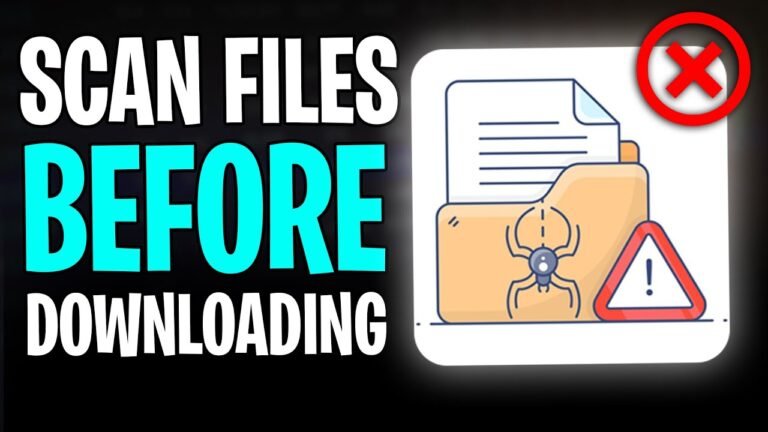
One of the simplest ways to reduce risk is to avoid downloading unknown files. An archive may display an image directly in a browser, but a separate download button could lead somewhere else.
Be particularly cautious with executable files, browser extensions, compressed archives, or anything that asks you to install software before viewing content. You should not need to disable normal browser security features simply to access an ordinary image.
Keeping your browser, operating system, and security software updated also provides an additional layer of protection.
Protect Personal Information
Another concern with a chatpic archive is privacy. Avoid entering personal information into unfamiliar archive websites. This includes your full name, phone number, passwords, financial details, or private account information.
It is also worth checking whether the website uses a secure connection and whether it clearly explains how visitor information is handled. If a site behaves unusually, repeatedly opens new tabs, or asks for unnecessary permissions, leaving the site is usually the safer choice.
Respect the People Behind Archived Content
Safety is not the only privacy issue. Images shared online can involve real people, and archived copies may continue circulating long after the original post has disappeared.
If content appears private, personal, or shared without clear permission, avoid saving or redistributing it. An archive’s availability does not automatically mean that every item is free to copy or share.
What Makes an Archive Useful?
A useful chatpic archive should make it reasonably clear what it preserves, how content is categorized, and where the material came from. Transparent information can help visitors distinguish between an organized archive and a random collection of copied files.
Good archives also make navigation straightforward. Clear categories, working search features, accurate descriptions, and sensible moderation can make a major difference.
On the other hand, a site filled with misleading buttons, excessive pop-ups, forced downloads, or unclear ownership deserves extra caution. The appearance of an archive does not guarantee that it is trustworthy.
A Simple Way to Evaluate a Chatpic Archive
Before spending time on any chatpic archive, ask a few basic questions:
- Does the site clearly explain what it archives?
- Can you browse without installing unknown software?
- Are the links and downloads easy to understand?
- Does the site avoid requesting unnecessary personal information?
- Is there information about content ownership or removal?
- Does the material appear to have reliable dates or sources?
These checks only take a few moments and can help you avoid unnecessary security and privacy problems.
Final Thoughts
A chatpic archive can be useful when you want to understand or locate older image-based content, but the quality of archives varies widely. The two most important things to remember are to verify what the archive actually contains and to protect your privacy while browsing it.
Take archived information with some skepticism, avoid suspicious downloads, and respect the privacy and rights of people whose content appears there. A little caution can make exploring archived material much safer and more responsible.